The 44th Portland International Film Festival (PIFF 44) is proud to announce the first wave of titles and special events. Taking place March 5 – 14, 2021, PIFF 44 is a program of the Portland Art Museum’s Northwest Film Center, one of the oldest and most distinguished media arts centers in the country. The festival centers on both artists and cinematic storytellers who are bold enough to interrupt the status quo, and focuses on those changing for whom, by whom, and how cinematic stories are told. Continue reading... “The Northwest Film Center’s 44th Annual Portland International Film Festival”
MovieMaker magazine published their 2021 rankings for “Best Places to Live and Work as a Filmmaker” – both Portland and Ashland made the list for the Large City and Small City categories respectively.
Here’s what they said about Portland: ” famous for all things handcrafted and artisanal, and that extends to filmmaking. The city is home to two stop-motion-animated films due in 2021: Guillermo del Toro’s bold new take on Pinocchio and the Key & Peele reunion Wendell and Wild, from Coraline director Henry Selick.Continue reading... “Ashland & Portland Again On MovieMaker’s List – “Best Places To Live & Work 2021””
#OregonMade “Young Hearts” (formerly “Thunderbolt in Mine Eye”) will be released Feb 12th on demand. Shot in around Portland pre-pandemic and screened at the Portland International Film Festival just before COVID stopped our movie-going experience, this love story will touch everyone.
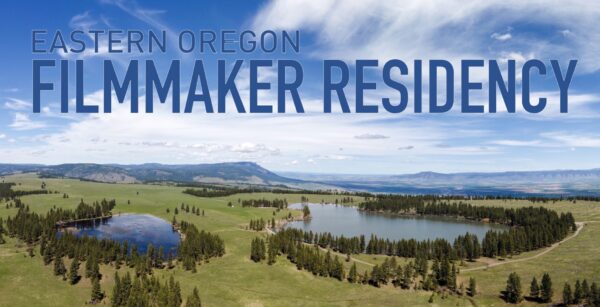
The Eastern Oregon Film Festival (EOFF) UNVEILS THE EASTERN OREGON FILMMAKER RESIDENCY
LA GRANDE, OR – Eastern Oregon Film Festival, an La Grande based nonprofit, is excited to announce the inaugural year of its Filmmaker Residency program. The residency is a month-long retreat for writers and directors to receive designated time and space to work on feature-length screenplays.
Ever wondered what it would be like to write for a video games company? Did you even know that you could turn your stories into video game worlds?
Willamette Writers has partnered with Newberg, OR-based Soma Games to host an online no-cost workshop diving into the technical, craft, and business elements of writing for video games…and we want you to be there! Whether you’re considering a writing career in the games industry, or if you’re just intrigued about how stories shape the development of games, this 90-minute workshop will bring you into the minds of Oregon’s leading industry professionals who want to share their stories with you. Continue reading... “Video Game Writing Workshop Hosted Online By Soma Games & Willamette Writers”
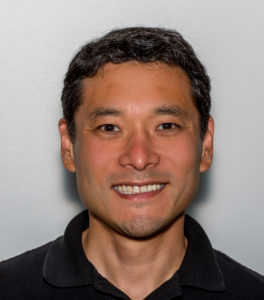
This week, Oregonian, Kenji Sugahara, President and Chief Executive Officer, Drone Service Providers Alliance and founder of Ariascend, was appointed by the US Department of Transportation to serve on the FAA Drone Advisory Committee.
“Sixes” is an independent feature directed by Ray Nomoto Robison. It was shot over 15 years ago primarily in a warehouse in southern Oregon. It is one of the first totally digital feature films.
The 15th anniversary edition of Sixes releases this month. The film premiered at Dance with Films in Hollywood in 2006 to rave reviews – including this one from the late Todd David Schwartz of CBS Radio.
Eugene’s Ballet Fantastique has created a wonderful holiday “ballet film” called American Christmas Carol, based on the story by Charles Dickens. The film was conceived, choreographed, and staged by Donna Marisa Bontrager and Hannah Bontrager, co-founders of Ballet Fantastique. It was filmed and directed by Jeremy Bronson of Bronson Studios in Portland. American Christmas Carol was shot at several location in Eugene-Springfield, Walker, Leaburg, and Portland, Oregon.
This is the first film Ballet Fantastique has ever made.


 Not surprisingly,
 The
The 

 This week, Oregonian, Kenji Sugahara, President and Chief Executive Officer,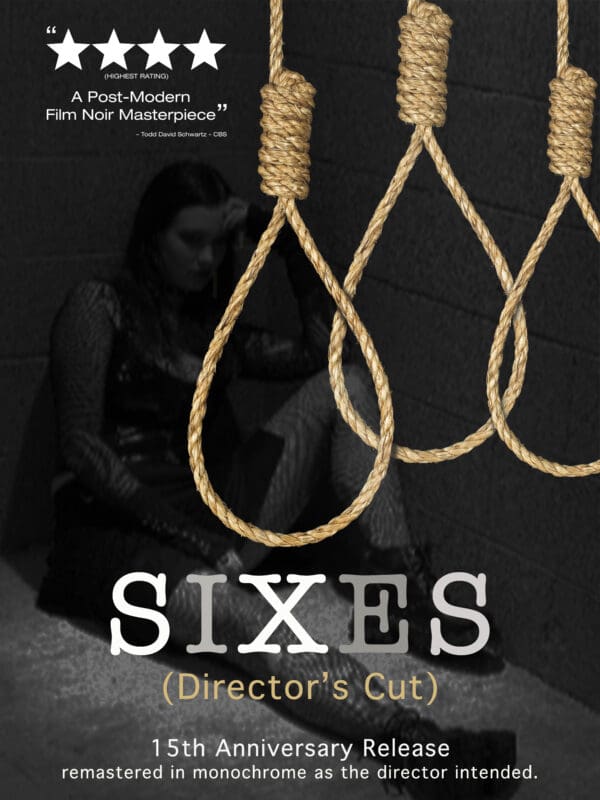
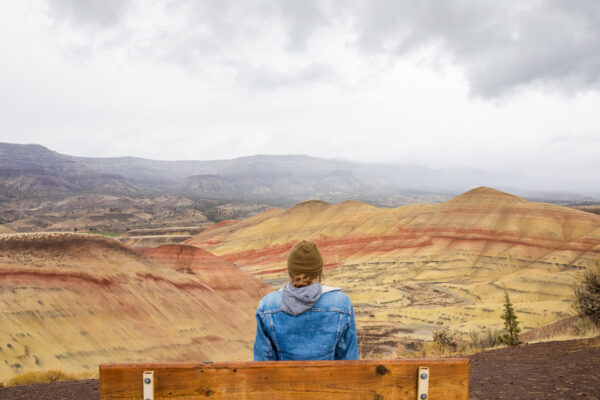
 How to join #OregonParkBenchStory – December 28th onwards